
Obsession, Hyperfocus, and the Myth of "Work Ethic"
The same pattern that made me obsess in love also built my businesses
When my first business started making real money, my life changed.
I could move out of my mom’s house, where I was living at the time. I rented a tiny one-bedroom apartment for my daughter and me. She was 3 years old at the time and stayed with her dad two nights a week. And those nights felt like freedom.
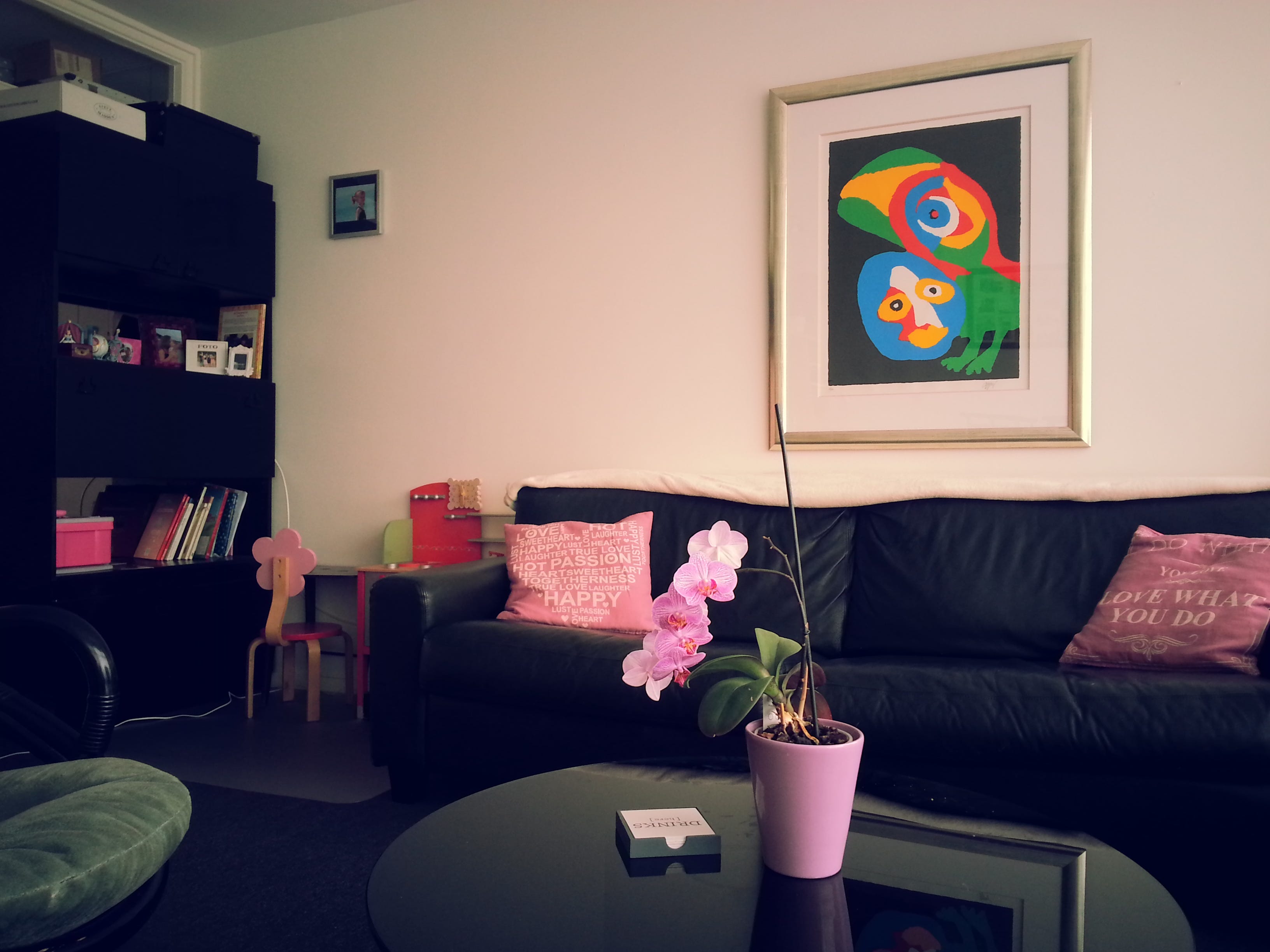
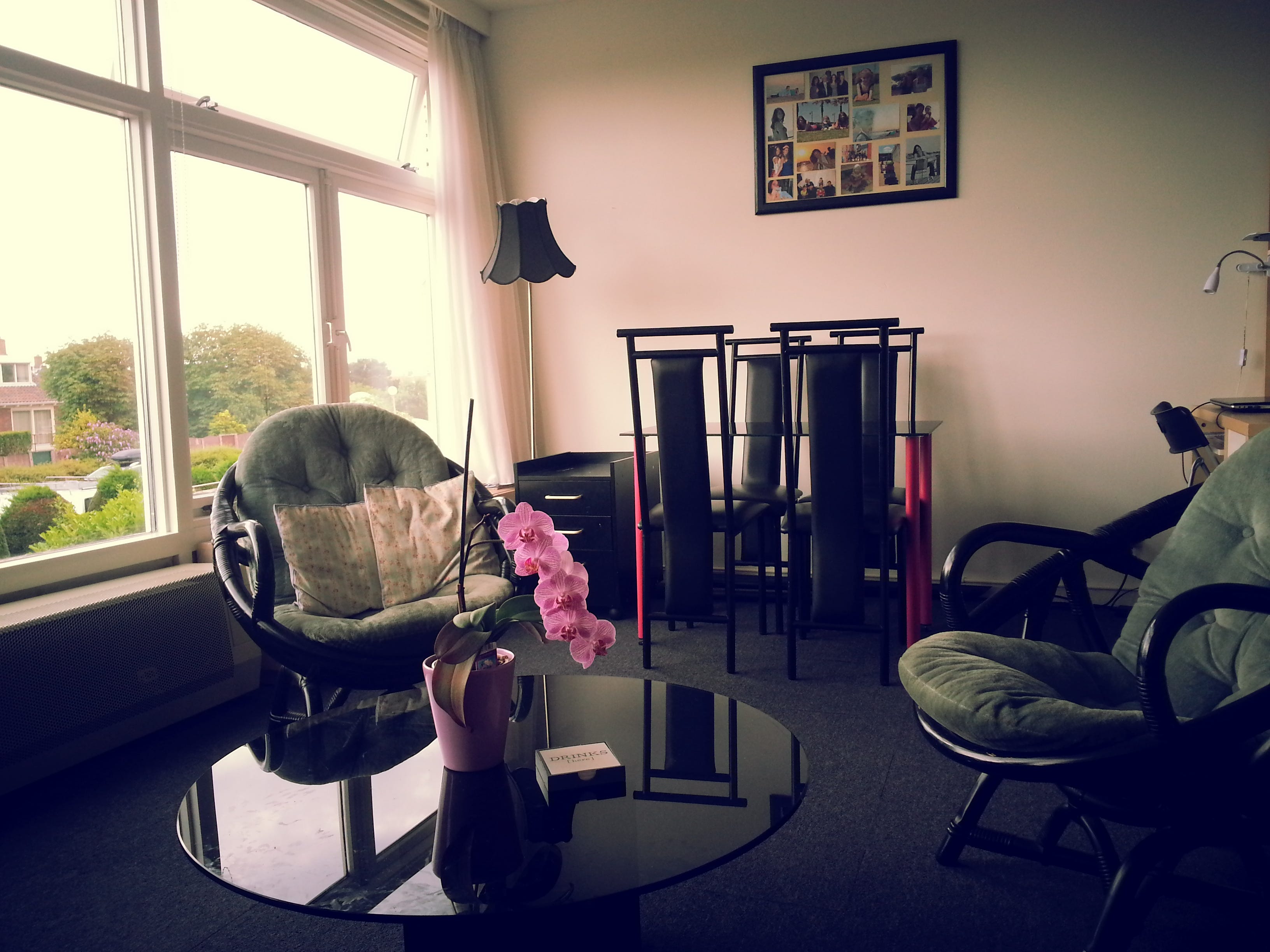
Five days out of the week, I was forced to work in little pockets of time because I was spending time with my daughter. That’s why I wanted to work from home in the first place. But when she was with her dad, I could go full speed ahead.
When I first woke up in the morning, even before opening my eyes, my mind would begin to race. All the things I thought I needed to do in my business began swirling around in my mind. I had to forcefully push them down to focus on my daughter.
But on those child-free days, I’d sit down in the morning with a cup of tea, open my laptop and go for it. I’d start working and lose track of everything else. At some point, I’d look up and realize it was dark outside.
I hadn’t eaten. I hadn’t moved from my desk all day long.
A friend would sometimes come over in the evening with food because he knew this about me. “It’s eight,” he’d say. “You haven’t eaten yet.”
I didn’t feel hunger until it was pointed out to me. I was so obsessed that I could focus on nothing else but my business.
I’d crash into bed later and wake up with a migraine. And then I’d work through the migraine, because that felt normal. Necessary, responsible, like the right thing to do. I had to put food on the table and keep a roof over our heads. As the sole provider, all responsibilities fell to me.
I was proud of this trait. This was what I thought people meant when they talked about work ethic.
The Same Intensity, Different Target
At the same time, something very similar was happening in my personal life.
When I became obsessed with someone romantically, they took over my mental space completely. I reread messages obsessively. I saved screenshots of conversations and photos in a dedicated folder on my phone so I wouldn’t have to scroll to find them.
The first thought in my head when I woke up wasn’t even fully formed yet. It was just them. Before I was awake, my attention was already gone.
I never compared these two patterns. One was praised, while the other was embarrassing.
But inside my body, they felt the same.
Total absorption. No off switch. No natural end point.
My entire life operated this way. Full speed or full stop. There was no in between.
When I noticed I needed to learn a life lesson
A few years ago, it happened again. I became obsessed with a person. That hadn’t happened in many, many years, but here it was.

This time, knowing more about energy and listening to my body and learning about patterns and repeating lessons, I couldn’t ignore what was happening. This is clearly a lesson I haven’t learned, I thought. What is this?
I didn’t even know there was a name for what I was experiencing (it’s called Limerance). I just knew I needed to understand why my attention locked on so tightly. Why stopping felt so uncomfortable. Why distraction felt almost painful.
So I started looking into it. What are these feelings of obsession? How can I make it stop?
The work I started doing was self-work. I was literally retraining my mind. I was doing somatic stretches, physical practices that helped me feel safe in my body. I was recognizing the pattern when it appeared and then deliberately changing the direction of what I was thinking. I was doing “I feel safe” affirmations.
I worked on it deliberately. Slowly. Without any expectation that it would affect anything else in my life.
I wasn’t trying to change how I worked, I hadn’t even made that link yet. I just wanted to stop obsessing over this person. I wasn’t thinking about business at all.
The Moment I Realized
About six months after I started working on the romantic obsession, something shifted.
The foundations of a new business have been forming in my mind. I was in the middle of writing something when my sister called. In the past, I would’ve ignored the phone, or picked up already irritated, already halfway back in my head.
Instead, I stopped what I was doing and answered.
There was no irritation about her interrupting my workflow. We just talked for a bit, and when we hung up, I noticed I’d been working for about three hours straight. My work was half finished.
Normally, that would have bothered me. I would’ve pushed through, closed the loop. Finished the thought.
Instead, I closed my laptop.
I made food, then did something else for a while. Later in the day I came back and continued where I’d left off.
What struck me wasn’t the break itself. It was that nothing inside me resisted it.
There was no irritation about the interruption, no anxiety about my half finished work, no sense that something bad would happen if I stopped.
It may not sound like much, but this was huge for me! This had never happened before.
That’s when I realized: I hadn’t just been healing the romantic obsession. I’d been healing the obsessive work ethic too. The same internal grip that had loosened around people had loosened around work.
What Actually Changed
By healing my nervous system in moments when I felt unsafe, I healed a part I didn’t even know needed healing. I hadn’t learned how to “work better.” I’d learned how to disengage.
The obsession didn’t disappear all at once. It softened, it lost its urgency. The compulsion to finish right now dissolved without me having to fight it.
My life looks so different now. I still work deeply, I still care, I still focus for hours at a time. But when my body starts to fade, I notice, and I act on it.
I close my computer even if things aren’t finished. I leave myself a detailed to-do list so I can pick up exactly where I left off. I don’t scramble, I don’t panic, I don’t rehearse everything in my head.
Sometimes, I even tell people they’ll have to wait. Which was something I didn’t do before either. Every message, every request felt like it needed my immediate attention.
A few days ago, I was working on a project where other people needed my input to continue. I’d already worked a lot that day. I was done. So I said so.
I gave them a backup option if they needed something immediately. Otherwise, I told them I’d get back to them in a few days. And then I stopped. That would have been impossible for me before.
What I Thought Was My Edge
For a long time, I believed my obsession was the reason I succeeded. I thought this intensity was my edge. That without it, everything would slow down or fall apart.
What I see now is that obsession didn’t make me capable. It made me unavailable to anything else. And when that grip finally loosened, I could let go of the full speed ahead or full stop rollercoaster. By doing work I thought was unrelated, I healed my nervous system and everything got smoother.
I don’t think obsession is proof of ambition anymore. I think it’s often a sign that something inside hasn’t learned how to let go yet.
And when it finally does, what remains isn’t laziness or loss of drive. It’s the ability to choose when to continue and when to stop, without fear. That was the part I never knew I was missing.
This was the first time I’ve even heard of that term. You’ve taught me something new!
It is important to work on ourselves for sure. Thank you for addressing this topic.